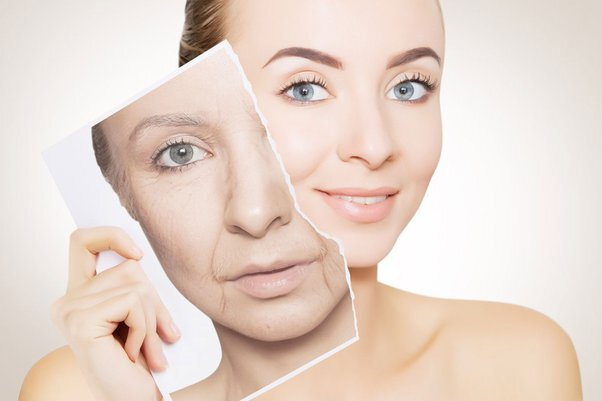
Anti-aging, senescent cells

Anti-aging, senescent cells

Overview

Senescent cells are sometimes informally referred to as “zombie cells.” These are cells that have stopped dividing in response to age, stress, or damage but
remain metabolically active. Over time, senescent cells can accumulate in tissues.

Researchers study the Senescence-Associated Secretory Phenotype (SASP) — a pattern of inflammatory signaling molecules released by senescent cells — to better
understand how cellular aging may influence tissue function. The role of senescent cells in aging and chronic disease is an active area of scientific investigation.

Institutions across the United States, including those serving communities in Long Island, New York, continue to explore how cellular senescence affects overall health.


How Anti-Aging Senescent
Cell Therapies Work

Emerging areas of research aim to better understand how senescent cells form, accumulate, and influence surrounding tissue. Investigational strategies being studied in laboratory and clinical settings include:

  • Approaches that attempt to selectively remove senescent cells (often referred to as “senolytic” strategies)
  • Techniques that attempt to modify inflammatory signaling associated with SASP
  • Regenerative strategies that explore whether cellular environments can be influenced through biologic therapies

Many of these approaches remain experimental and are not FDA-approved for anti-aging purposes.

Mesenchymal Stem Cell (MSC) Therapy

Mesenchymal stem cells (MSCs) are being studied for their potential role in modulating inflammation and cellular signaling. Researchers are investigating whether MSCs may influence the tissue environment surrounding senescent cells.

The safety, effectiveness, and long-term outcomes of MSC-based applications for age-related concerns are still under evaluation in clinical trials.

Contact Us

How Anti-Aging Senescent Cell Therapies Work
Exosome Therapy

Exosome Therapy

Exosomes are extracellular vesicles involved in cell-to-cell communication. In research environments, scientists’ study whether exosomes may influence signaling pathways associated with inflammation and tissue repair.

Exosome-based applications remain investigational, and regulatory frameworks continue to evolve.
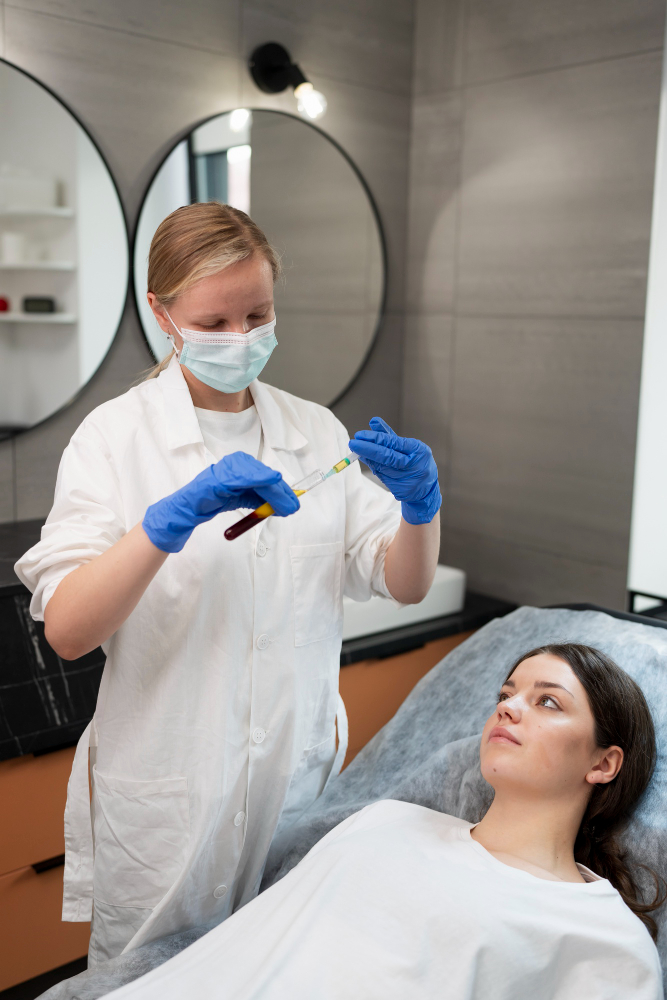
Areas of Research Related to Cellular Aging Treatment

 Scientific Investigation into Senescence and Aging includes Study in Areas such as:

  • Skin Aging and Dermatologic Changes
  • Musculoskeletal Health
  • Cardiovascular Function
  • Neurodegenerative Processes

The degree of scientific evidence varies by application, and many uses remain under active study.

Benefits of Anti-Aging Senescent Cell Therapies

  • Addresses the Root Causes
  • High Precision Treatment
  • Inflammation Reduction
  • Systemic Rejuvenation

Sources of Anti-AgingSenescent Cell Therapies

    •  TRADITIONAL PHARMACEUTICALS several pharmaceutical drugs can be used to kill senescent cells. This is an off-label use, meaning it is not the primary purpose of the drug.
    •  NATURAL COMPOUN-  numerous natural compounds called senolytics are found in food. These compounds help the body clear the damaged cells.
    • NOVEL THERAPIES – modern medicine offers several cutting-edge options, including immunotherapy, vaccinations, and other methods that target specific molecular pathways.
    •  DONATION – Patients can receive donor stem cells derived from fat, bone marrow, or umbilical tissue, depending on the procedure.
    •  SELF Patients may be able to use their own stem cells for treatment. These cells would most likely be derived from fat or bone marrow using separate procedures.

    Because regulatory standards differ depending on processing and intended use, individuals in Long Island, NY, researching anti-aging science should consult qualified medical professionals for accurate and current information.

Benefits of Anti-Aging Senescent Cell Therapies


FAQs on Senescent Cells

What are Possible Signs Associated with Cellular Aging? 

Cellular aging is a natural biological process. Visible changes such as skin texture changes, hair thinning, slower wound recovery, and reduced tissue elasticity are commonly associated with aging. However, these changes are influenced by genetics, environment, lifestyle, and overall health — not solely by senescent cells.

Does Anti-Aging Senescent Cell Therapy Hurt?

Experiences vary depending on the specific medical procedure being studied. In clinical research settings involving biologic therapies, some individuals report temporary soreness or localized discomfort. Anyone considering a medical procedure should discuss potential risks and side effects with a licensed healthcare provider.

How Soon Does Anti-Aging Senescent Cell Therapy Show Results?

Because many senescence-targeted approaches are investigational, timelines and outcomes vary widely in published studies. No anti-aging therapy can guarantee specific results, and long-term effectiveness continues to be evaluated in clinical trials.

Is This Procedure FDA-Approved?

At this time, most therapies specifically marketed for anti-aging or senescent cell removal are not FDA-approved for that purpose. Some related biologic or pharmaceutical products may be approved for other medical indications. Consumers are encouraged to verify regulatory status and consult qualified healthcare professionals before making medical decisions.


Cozy living room
Contact Us

Stem Cell Bio Therapies provides educational information to Long Island, NY residents about advanced regenerative approaches and their potential effects on the body’s natural healing and overall appearance.

Submit the form below to receive detailed information about stem cell procedures for educational purposes only.

One Step Further

Reimagining Care

Search

We’re happy to answer any questions you might have.