
Overview
Cerebral Palsy (CP) is a group of permanent neurodevelopmental movement disorders caused by non-progressive injury or abnormal development of the immature brain, typically occurring before, during, or shortly after birth. While the initial brain injury does not worsen over time, the musculoskeletal and functional consequences may evolve as the individual grows.
Cerebral Palsy primarily affects movement, muscle tone, posture, and coordination. However, depending on the extent and location of the brain injury, CP may also involve cognitive, speech, visual, auditory, and sensory processing challenges.
CP is not a degenerative condition. The brain injury is static, but its functional impact may change across the lifespan due to growth, muscle imbalance, spasticity, and biomechanical strain.
Causes & Risk Factors
Cerebral Palsy may result from:
- Perinatal hypoxic-ischemic injury (lack of oxygen to the brain)
- Premature birth and underdeveloped brain structures
- Intraventricular hemorrhage
- Neonatal stroke
- Maternal infection during pregnancy
- Severe neonatal jaundice
- Traumatic brain injury in infancy
The injury often affects motor control centers such as the motor cortex, basal ganglia, or cerebellum.
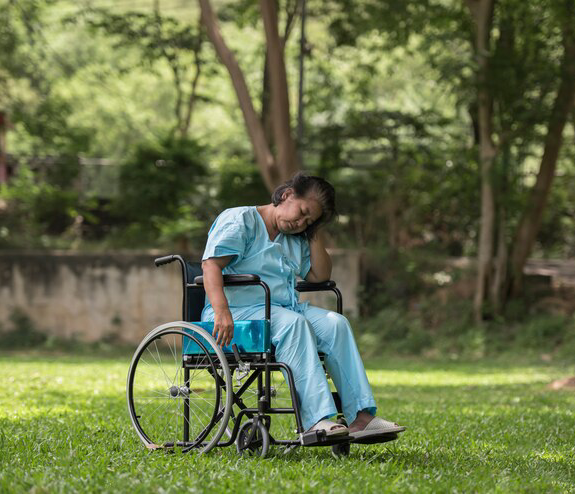
Types of Cerebral Palsy
Cerebral Palsy is classified based on movement characteristics:
- Spastic CP: Increased muscle tone and stiffness (most common form)
- Dyskinetic CP: Involuntary movements due to basal ganglia involvement
- Ataxic CP: Impaired balance and coordination
- Mixed CP: Combination of movement patterns
Severity ranges from mild motor coordination issues to significant mobility impairment requiring assistive devices.
Neurobiology & Pathophysiology
Although the original brain injury is static, several biological processes influence functional outcomes:
Motor Cortex Injury
Damage to upper motor neurons leads to:
- Spasticity
- Hyperreflexia
- Abnormal muscle activation patterns
White Matter Injury
Periventricular leukomalacia (PVL) involves damage to white matter tracts responsible for motor signaling.
Neuroinflammation
Early inflammatory responses may contribute to neuronal injury severity and long-term signaling differences.
Impaired Neuroplasticity
The developing brain has remarkable plasticity; however, early injury can alter normal neural network formation, resulting in persistent motor control abnormalities.
Musculoskeletal Consequences
Over time, individuals with CP may develop:
- Muscle contractures
- Joint deformities
- Hip subluxation or dislocation
- Scoliosis
- Chronic pain
- Early-onset osteoarthritis
These complications arise from long-standing abnormal muscle tone and biomechanical stress.
Conventional Management Approaches
Standard treatment focuses on functional optimization and includes:
- Physical and occupational therapy
- Speech therapy
- Orthopedic interventions
- Bracing and assistive devices
- Spasticity management (oral medications, botulinum toxin injections)
- Selective dorsal rhizotomy in select cases
These approaches aim to improve mobility, reduce complications, and enhance quality of life. However, they do not reverse the underlying brain injury.
Individuals seeking further information may contact us to discuss whether a consultation with a physician would be appropriate
Contact Us
Regenerative & Biologic Therapies (Investigational)
Regenerative medicine approaches are being studied to support neuroplasticity, modulate inflammation, and improve neurologic signaling. These therapies are investigational and are not considered cures for Cerebral Palsy.
Stem Cell Therapy (Investigational)
Stem cells are being researched for their potential neuroprotective and immunomodulatory properties.
Proposed mechanisms under investigation include:
- Modulation of inflammatory signaling
- Promotion of neurotrophic factor release (BDNF, GDNF, NGF)
- Support of synaptic plasticity
- Enhancement of neural network communication
- Support of white matter repair signaling
Stem cell therapy does not regenerate the entire injured brain region but may help optimize the surrounding neural environment.
Exosome Therapy
Exosomes are extracellular vesicles that facilitate cell-to-cell communication through transfer of regulatory proteins and microRNAs.
In CP-related research contexts, exosomes may:
- Modulate neuroinflammatory pathways
- Enhance neuroplasticity signaling
- Support mitochondrial energy production
- Improve neuronal survival pathways
- Influence white matter repair mechanisms
Exosomes are being studied for their potential ability to cross the blood-brain barrier and influence neural communication.
Platelet-Rich Plasma (PRP)
PRP contains concentrated growth factors derived from the patient’s own blood.
In neurological applications, PRP may:
- Provide neurotrophic support
- Modulate inflammatory pathways
- Support tissue repair signaling
- Enhance musculoskeletal health in patients with spasticity-related strain
PRP is considered a supportive adjunct rather than a disease-modifying therapy.
Platelet-Rich Fibrin (PRF)
PRF provides sustained growth factor release via a fibrin scaffold.
Potential supportive roles include:
- Long-term inflammatory modulation
- Support of connective tissue integrity
- Enhancement of local healing environments
- Adjunctive support for musculoskeletal complications associated with CP
PRF is not intended to cure Cerebral Palsy but may complement comprehensive care strategies.
Clinical Goals of Supportive Biologic Strategies
When considered, regenerative therapies aim to:
- Support motor function optimization
- Improve muscle control and coordination
- Reduce inflammatory signaling
- Enhance neuroplasticity
- Improve comfort and mobility
- Complement physical rehabilitation programs
The focus remains on functional enhancement and quality of life.
Frequently Asked Questions (FAQ)
Is Cerebral Palsy progressive?
The brain injury causing CP is non-progressive. However, musculoskeletal complications may evolve over time.
Can stem cells cure Cerebral Palsy?
There is currently no evidence that stem cells cure CP. Research focuses on supporting neuroplasticity and improving function.
Are regenerative therapies FDA-approved for CP?
Stem cells, exosomes, PRP, and PRF are not FDA-approved treatments for Cerebral Palsy and are considered investigational.
At what age can regenerative therapies be considered?
Age considerations vary significantly. Pediatric evaluation requires careful medical oversight and risk assessment.
What improvements can be expected?
Outcomes vary widely depending on severity, age, and overall health. Some individuals may experience functional improvements, while others may not.
Medical & Regulatory Disclaimer
Stem cells, exosomes, PRP, and PRF are not FDA-approved treatments for Cerebral Palsy. These therapies are considered investigational and are intended to support biologic signaling, neuroplasticity, and inflammation modulation rather than cure disease. Individual outcomes vary, and no guarantees of improvement can be made. All treatment decisions should be made in consultation with qualified medical professionals.