Overview
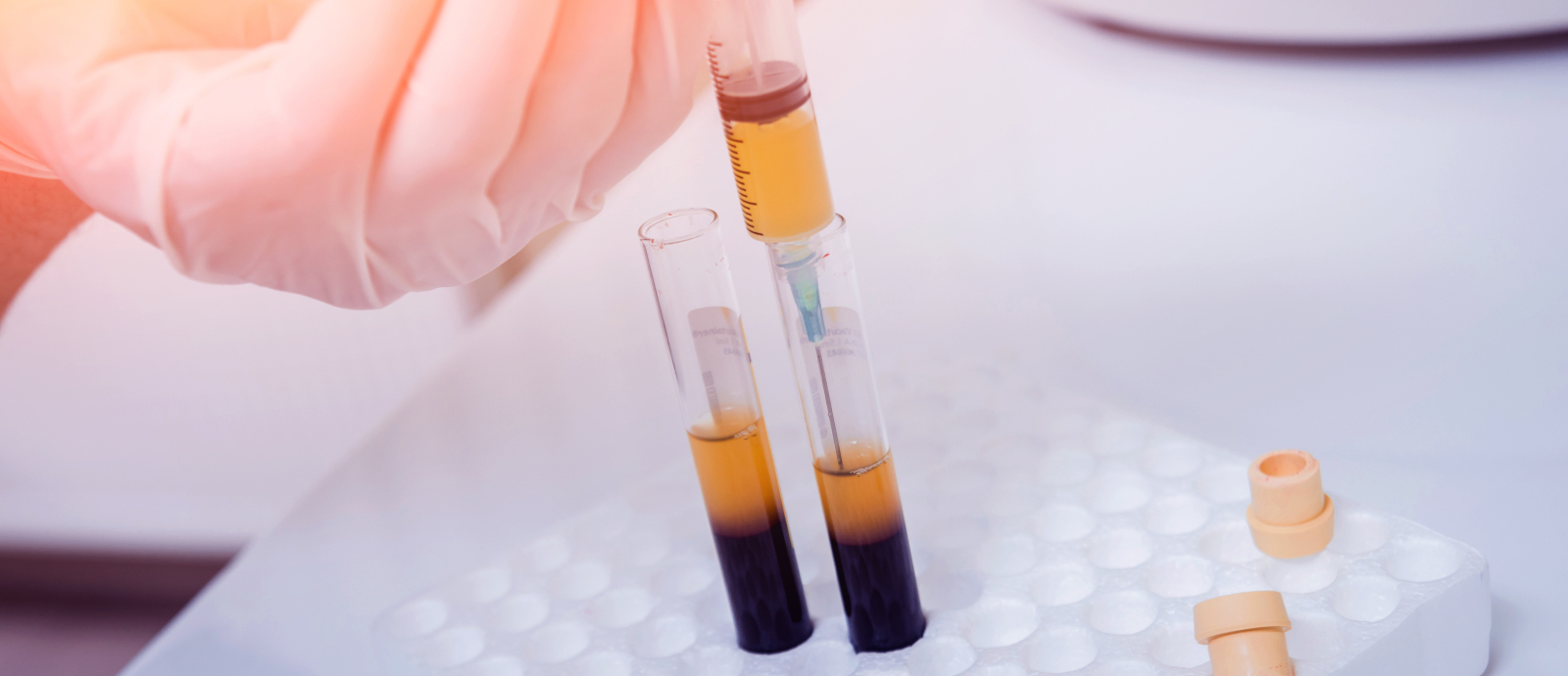
Platelet-Rich Plasma (PRP) is an autologous biologic therapy derived from a patient’s own blood and processed to concentrate platelets rich in growth factors and signaling proteins. These biologic components play an important role in tissue repair, inflammation modulation, and cellular communication involved in the body’s natural healing processes.
How PRP Works
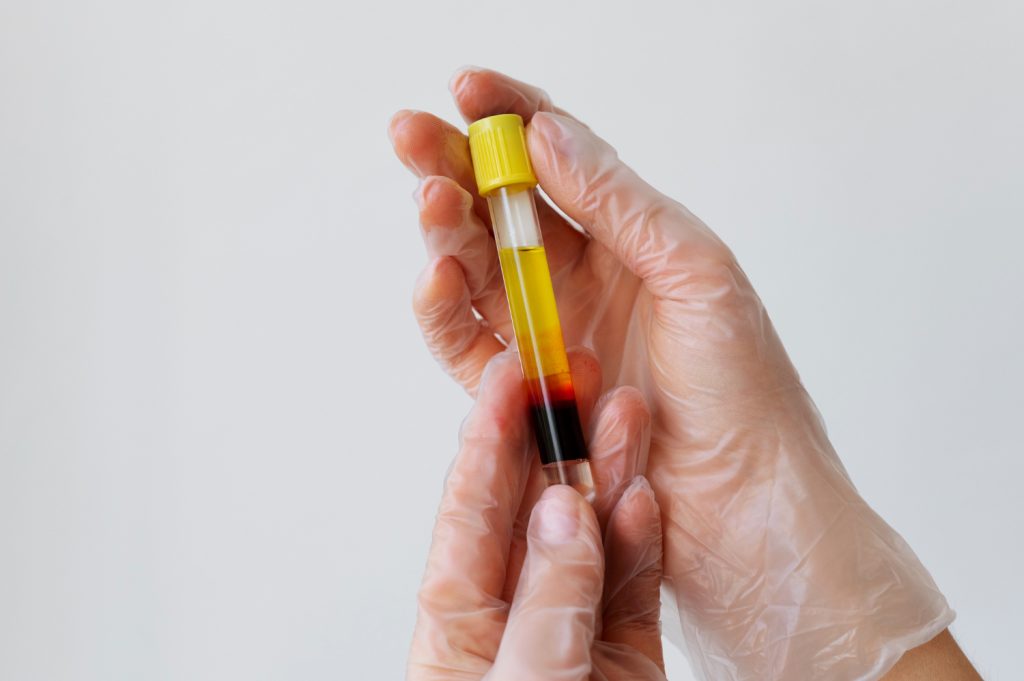
After a small blood draw, the sample is processed using a specialized centrifugation system to isolate platelet-rich plasma. Platelets contain growth factors such as platelet-derived growth factor (PDGF), transforming growth factor-beta (TGF-β), and vascular endothelial growth factor (VEGF), which help support cellular repair pathways, angiogenesis, and tissue regeneration.
Once prepared, PRP is administered under medical supervision into targeted areas based on clinical evaluation and patient goals.
Contact Us
Common Clinical Applications
PRP is commonly incorporated into regenerative and aesthetic care plans, including:
- Musculoskeletal and joint support
- Tendon and ligament recovery support
- Hair restoration protocols
- Skin rejuvenation and collagen support
- Post-procedure healing support
Personalized treatment plans for stem cell therapies typically begin with a comprehensive medical assessment. This process helps determine the most appropriate approach by considering factors such as medical history, current health conditions, and individual goals.
Benefits of PRP
- Uses the patient’s own biologic material
- Low risk of allergic reaction
- Supports natural healing processes
- Can be combined with other regenerative therapies
Safety & FDA Disclosure
PRP is an autologous product derived from a patient’s own blood. While PRP is widely used in clinical practice, it is not FDA-approved for the diagnosis, treatment, cure, or prevention of any specific disease. Individual results may vary.
Individuals seeking further information may contact us to discuss whether a consultation with a physician would be appropriate
Contact Us
Platelet-Rich Plasma (PRP) – FAQs
What is PRP?
PRP is an autologous therapy made from your own blood that contains a high concentration of platelets rich in growth factors involved in healing and tissue repair. Platelet-Rich Plasma (PRP) is commonly referenced in discussions about hair and skin treatments, including facial and scalp applications.
Is PRP FDA-approved?
PRP is not FDA-approved for specific disease indications, but it is widely used in medical practice as an autologous biologic therapy.
What is PRP commonly used for?
PRP is commonly used to support:
- Joint and musculoskeletal health
- Tendon and ligament recovery
- Hair restoration
- Skin rejuvenation
- Post-procedure healing
This information is intended to educate, and does not imply services are provided in Long Island, New York.
How long does PRP take to work?
Response times vary. Some patients notice changes within weeks, while others experience gradual improvement over several months.
Since PRP comes from my own blood, is it safe?
Because PRP is derived from your own blood, the risk of allergic reaction is low. Mild swelling or soreness at the treatment site may occur.
Universal Patient Disclosure
All regenerative therapies described are not guaranteed and are not FDA-approved to diagnose, treat, cure, or prevent disease. Individual results may vary. All treatments are provided under physician supervision following a comprehensive medical evaluation and informed consent.