
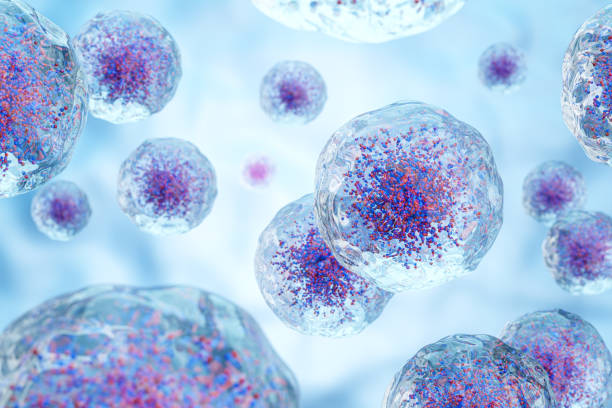
Stem Cells, Exosomes, PRP & PRF
What is regenerative medicine?
Regenerative medicine is a field of medical science focused on supporting the body’s natural repair processes through biologic therapies that influence cellular signaling, inflammation modulation, and tissue repair mechanisms. Unlike pharmaceuticals that typically target specific biochemical pathways, regenerative therapies aim to influence the cellular microenvironment and promote biologic balance.
These therapies are generally intended to support tissue function, reduce inflammation, and enhance healing environments rather than replace organs or cure complex diseases.
Are stem cells, exosomes, PRP, and PRF FDA-approved?
Platelet-Rich Plasma (PRP) is widely used in orthopedic and procedural medicine and is regulated under minimal manipulation guidelines when used autologously (from your own blood).
Stem cells and exosomes are considered investigational for many applications and are not FDA-approved to treat most chronic or degenerative diseases.
Platelet-Rich Fibrin (PRF) is also used under minimal manipulation guidelines when derived from the patient’s own blood.
How are regenerative therapies different from medications?
Traditional medications:
- Block or stimulate specific receptors
- Target defined biochemical pathways
- Often require continuous dosing
Regenerative therapies:
- Influence cellular communication
- Modulate inflammatory cascades
- Support tissue repair signaling
Aim to optimize the body’s internal healing environment
Stem Cell FAQ
What are stem cells?
Stem cells are undifferentiated cells capable of self-renewal and differentiation into specialized cell types. In regenerative medicine, the therapeutic focus is often on mesenchymal stem cells (MSCs), which are studied for their immunomodulatory and signaling properties rather than direct tissue replacement.
Do stem cells “turn into” new organs or tissues?
In most clinical applications, stem cells do not directly transform into new organs. Instead, research suggests they exert their effects primarily through:
- Paracrine signaling (release of growth factors and cytokines)
- Immune system modulation
- Reduction of inflammatory signaling
- Support of tissue repair pathways
Enhancement of cellular communication
Where do stem cells come from?
Stem cells used in clinical settings may be derived from:
- Bone marrow
- Adipose (fat) tissue
- Perinatal tissue sources (when applicable and compliant with regulations)
Each source differs in cell concentration, cytokine profile, and regulatory considerations.
Are stem cell therapies safe?
Safety depends on:
- Source of cells
- Processing standards
- Sterility protocols
- Proper patient screening
- Physician expertise
Like any medical procedure, potential risks include infection, inflammation, bleeding, or procedural complications.
How long do stem cell effects last?
Duration varies by condition and individual factors. Because stem cells primarily influence signaling rather than permanently replacing tissue, results may develop gradually and vary over time.
Exosome FAQ
What are exosomes?
Exosomes are extracellular vesicles naturally released by cells. They contain:
- MicroRNA
- Messenger RNA
- Proteins
- Lipids
- Regulatory signaling molecules
They function as cellular communication messengers, influencing how cells respond to injury or inflammation.
How are exosomes different from stem cells?
Stem cells:
- Are living cells
- Can self-renew
- Release signaling molecules
Exosomes:
- Are not living cells
- Do not divide
- Deliver concentrated signaling information from parent cells
Exosomes are often considered a cell-free regenerative therapy.
How might exosomes support healing?
Exosomes are being studied for their potential to:
- Modulate inflammatory pathways
- Support mitochondrial function
- Reduce oxidative stress
- Influence immune signaling
- Enhance tissue repair communication
They are not tissue replacements and do not alter DNA.
Can exosomes cross the blood-brain barrier?
Preclinical research suggests certain exosomes may cross the blood-brain barrier, which is why they are being studied in neurological research contexts.
Are exosomes approved for disease treatment?
Currently, exosomes are considered investigational for most medical conditions.
PRP (Platelet-Rich Plasma) FAQ
What is PRP?
PRP is Platelet-Rich Plasma, derived from a patient’s own blood. After centrifugation, platelets are concentrated in plasma and reintroduced into targeted areas.
Platelets contain growth factors such as:
- Platelet-Derived Growth Factor (PDGF)
- Transforming Growth Factor Beta (TGF-β)
- Vascular Endothelial Growth Factor (VEGF)
Insulin-Like Growth Factor (IGF-1)
How does PRP work?
PRP works by:
- Releasing growth factors
- Supporting angiogenesis (new blood vessel formation)
- Modulating inflammatory signals
- Stimulating tissue repair pathways
Supporting collagen synthesis
What conditions is PRP commonly used for?
PRP is commonly used in:
- Orthopedic injuries
- Tendon and ligament conditions
- Osteoarthritis
- Sports injuries
- Hair restoration
Aesthetic medicine
Is PRP safe?
Because PRP is autologous (from your own blood), risk of allergic reaction is low. Potential side effects include:
- Temporary swelling
- Localized soreness
- Bruising
Infection (rare)
PRF (Platelet-Rich Fibrin) FAQ
What is PRF?
PRF is Platelet-Rich Fibrin, a second-generation platelet concentrate. Unlike PRP, PRF is prepared without anticoagulants and forms a fibrin matrix that allows sustained release of growth factors over time.
How is PRF different from PRP?
PRP:
- Liquid form
- Rapid growth factor release
- Often activated before injection
PRF:
- Forms a fibrin scaffold
- Slower, sustained growth factor release
No chemical additives
What are the benefits of sustained release?
The fibrin matrix in PRF allows:
- Gradual cytokine release
- Prolonged cellular signaling
- Enhanced tissue scaffold support
Improved local microenvironment stability
Where is PRF commonly used?
PRF is frequently used in:
- Dental and oral surgery
- Aesthetic medicine
- Wound healing
Orthopedic adjunctive procedures
Safety & Expectations
Are these therapies cures?
No. Regenerative therapies are intended to support biologic processes and optimize healing environments. They are not cures for chronic, genetic, or degenerative diseases.
How soon will I see results?
Timeline varies depending on:
- Condition treated
- Severity
- Age
- Overall health
- Combination with rehabilitation
Some patients report gradual improvements over weeks to months.
Can these therapies replace my medications?
No. Patients should never discontinue prescribed medications without physician supervision. Regenerative therapies are typically considered complementary, not replacements.
Who is not a candidate?
Patients may not be candidates if they have:
- Active infections
- Uncontrolled cancer
- Severe bleeding disorders
- Certain autoimmune flares
- Uncontrolled systemic disease
Proper screening is essential.
What should I expect after treatment?
Depending on therapy:
- Mild soreness or swelling
- Temporary inflammation as healing pathways activate
- Gradual changes rather than immediate dramatic effects
Follow-up care and supportive therapies may be recommended.
Regulatory & Medical Disclaimer
Stem cells, exosomes, PRP, and PRF are not FDA-approved treatments for most chronic, degenerative, or neurological conditions. Many applications are considered investigational. These therapies are intended to support biologic signaling and tissue repair processes rather than cure disease. Individual results vary, and no guarantees of improvement can be made. All medical decisions should be made in consultation with qualified healthcare professionals.