Overview
Acquired injuries to the brain and spinal cord occur after birth and result from trauma, vascular events, oxygen deprivation, infection, or other medical conditions. These injuries affect the central nervous system (CNS), which controls movement, sensation, cognition, and vital bodily functions.
Damage to the brain or spinal cord can lead to a wide range of neurological symptoms including impaired mobility, loss of sensation, cognitive changes, speech difficulties, and autonomic dysfunction.
Recovery varies widely depending on the severity and location of the injury. Modern treatment typically involves acute medical care, neurological rehabilitation, and supportive therapies aimed at improving neurological function and quality of life.
Types of Acquired Brain Injury
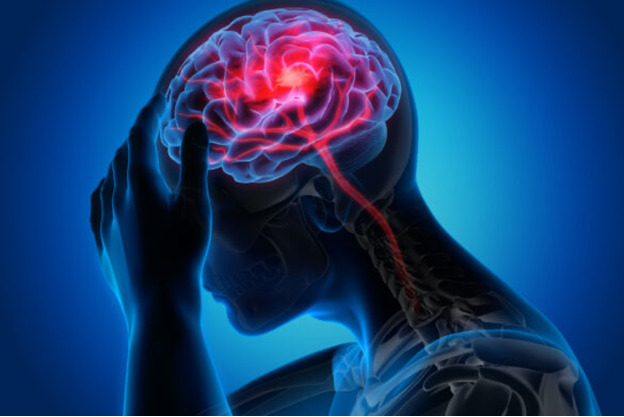
Traumatic Brain Injury (TBI)
Traumatic brain injury occurs when an external force damages brain tissue. Common causes include:
- Falls
- Motor vehicle accidents
- Sports injuries
- Physical trauma
- Blast injuries
Symptoms may include headaches, cognitive impairment, memory problems, coordination issues, emotional changes, and seizures.
Hypoxic-Ischemic Brain Injury
This type of injury occurs when the brain is deprived of oxygen or blood flow. Causes may include:
- Cardiac arrest
- Stroke
- Near drowning
- Severe respiratory failure
Neurons are extremely sensitive to oxygen deprivation, and prolonged interruption of blood flow can lead to significant neurological damage.
Stroke
Stroke occurs when blood supply to part of the brain is disrupted.
Two primary types include:
- Ischemic stroke – caused by blood clots
- Hemorrhagic stroke – caused by bleeding in the brain
Stroke can result in paralysis, speech impairment, vision changes, and cognitive dysfunction.
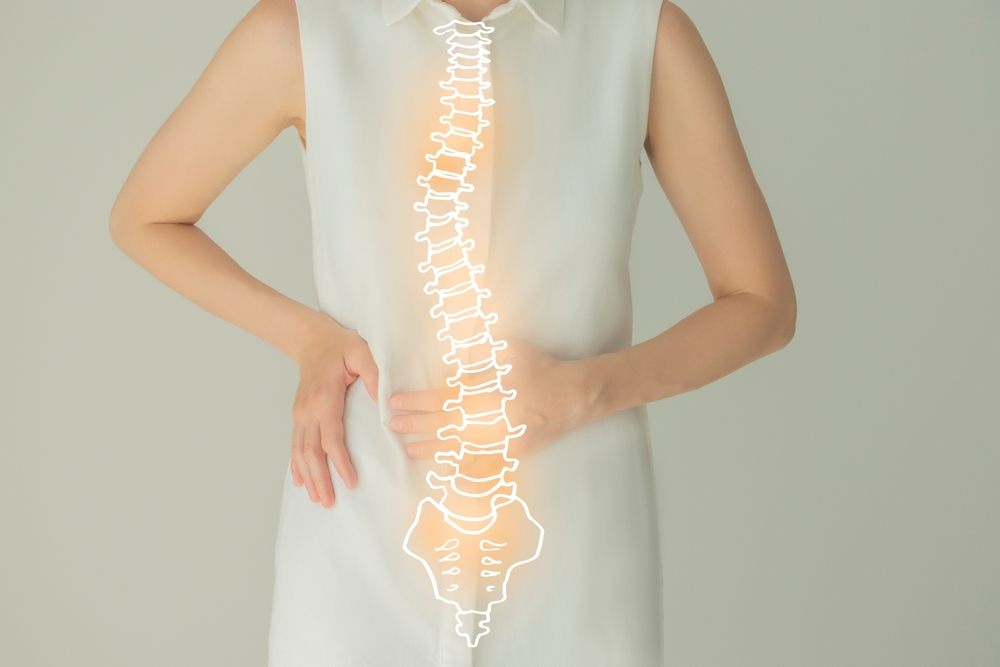
Spinal Cord Injury
Spinal cord injuries disrupt communication between the brain and body. These injuries are often caused by:
- Motor vehicle accidents
- Falls
- Sports injuries
- Degenerative spinal disease
- Tumors or infections
Depending on the level of injury, individuals may experience:
- Paralysis (paraplegia or quadriplegia)
- Loss of sensation
- Muscle spasticity
- Chronic pain
- Bladder and bowel dysfunction
Neurological Injury Mechanisms
Brain and spinal cord injuries occur in two phases.
Primary Injury
The primary injury is the immediate physical damage caused by trauma or loss of blood supply. This may involve:
- Neuronal death
- Axonal damage
- Blood vessel injury
- Tissue compression
Secondary Injury
Following the initial event, a cascade of biological processes can worsen neurological damage, including:
- Neuroinflammation
- Oxidative stress
- Mitochondrial dysfunction
- Excitotoxicity
- Cellular apoptosis
Many emerging therapies aim to support recovery by targeting this secondary injury phase.
Conventional Treatment
Treatment for brain and spinal cord injuries typically involves a multidisciplinary approach that may include:
- Emergency medical stabilization
- Neurosurgical intervention when necessary
- Physical rehabilitation
- Occupational therapy
- Speech therapy
- Pain management
- Assistive technologies
Rehabilitation plays a central role in helping patients regain function and independence.
Regenerative & Biologic Therapies
Emerging regenerative medicine therapies are being studied for their potential to support neurological recovery by influencing cellular signaling and reducing inflammation.
Stem cells, exosomes, PRP, and PRF are investigational biologic therapies being researched for their potential role in supporting neural repair and tissue healing.
These therapies are not cures but may help support the biological environment surrounding injured nervous tissue.
Stem Cell Therapy
Stem cells are being studied for their potential to support neurological repair through the release of signaling molecules that influence healing processes.
Proposed mechanisms include:
- Modulation of neuroinflammation
- Secretion of neurotrophic growth factors
- Support of neuronal survival
- Promotion of neural communication pathways
- Enhancement of neuroplasticity
Rather than directly replacing neurons, stem cells are thought to support the body’s natural repair processes.
Exosome Therapy
Exosomes are small extracellular vesicles that act as communication signals between cells.
They contain regulatory molecules such as:
- microRNA
- messenger RNA
- proteins
- lipids
Research suggests exosomes may help:
- Reduce inflammatory signaling
- Support mitochondrial function
- Promote neuroprotective pathways
- Enhance cellular communication in injured neural tissue
Exosomes are also being studied for their ability to cross the blood-brain barrier.
Platelet-Rich Plasma (PRP)
PRP is derived from a patient’s own blood and contains a concentrated amount of platelets and growth factors involved in tissue repair.
These growth factors may help:
- Support vascular repair
- Promote tissue healing
- Modulate inflammatory pathways
- Enhance cellular repair signaling
PRP is commonly used in orthopedic and sports medicine and may also support recovery in patients with musculoskeletal complications related to neurological injury.
Platelet-Rich Fibrin (PRF)
PRF is a second-generation platelet concentrate that forms a fibrin matrix allowing for sustained release of growth factors over time.
Potential supportive roles include:
- Gradual release of healing cytokines
- Support of tissue repair environments
- Improved wound healing
- Adjunctive support in rehabilitation programs
PRF does not treat neurological injury directly but may support healing in related tissues.
Goals of Supportive Biologic Therapies
When used in investigational settings, regenerative therapies aim to support:
- Neural repair signaling
- Reduction of inflammation
- Improved cellular communication
- Enhanced neuroplasticity
- Support of functional recovery
These therapies are typically considered complementary to conventional neurological care and rehabilitation.
Frequently Asked Questions
Can the brain or spinal cord heal after injury?
The nervous system has limited regenerative capacity, but the brain can adapt through neuroplasticity, allowing some functions to be recovered or compensated for through rehabilitation.
Are stem cells a cure for brain or spinal cord injuries?
No. Stem cell therapies are currently considered investigational and are being studied for their ability to support neurological repair and reduce inflammation.
Can regenerative therapies replace rehabilitation?
No. Physical therapy, neurological rehabilitation, and medical care remain the foundation of recovery after brain and spinal cord injuries.
Who may benefit from regenerative therapies?
Potential candidates may include individuals with chronic neurological injuries who are medically stable and seeking supportive treatment options as part of a comprehensive care plan.