
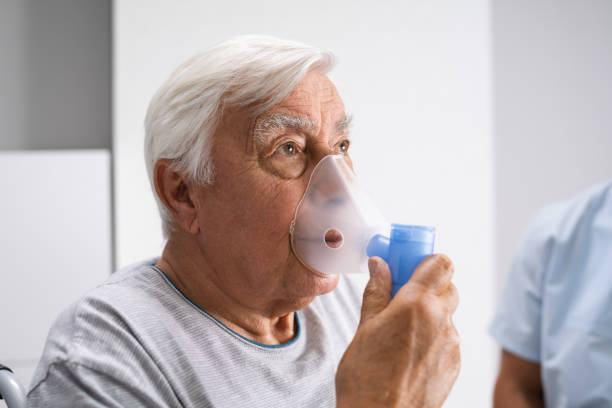
Degenerative & Inflammatory Lung Conditions
Chronic lung diseases are characterized by persistent inflammation, progressive tissue damage, impaired repair mechanisms, and declining respiratory function. Rather than isolated airway pathology, many of these conditions reflect systemic immune dysregulation, oxidative stress, mitochondrial dysfunction, and abnormal tissue remodeling.
Advanced regenerative and longevity-focused approaches aim to modulate inflammation, support tissue resilience, and optimize pulmonary function, while working in coordination with standard pulmonology care.
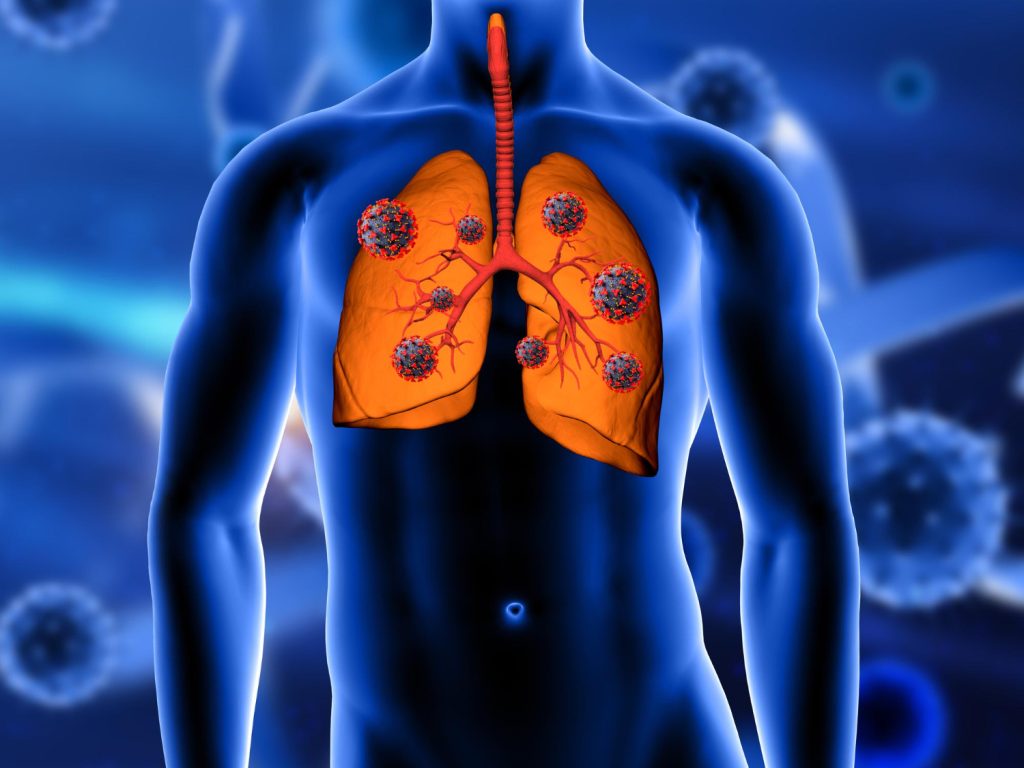
Chronic Obstructive Pulmonary Disease (COPD)
Overview
Chronic Obstructive Pulmonary Disease (COPD) is a progressive inflammatory lung disease characterized by airflow limitation that is not fully reversible. It encompasses chronic bronchitis and emphysema and is most commonly associated with long-term exposure to noxious particles, such as cigarette smoke, environmental toxins, and occupational pollutants.
COPD is now understood as a multisystem inflammatory condition, involving persistent immune activation, protease–antiprotease imbalance, oxidative stress, vascular dysfunction, and impaired alveolar repair.
Core Pathophysiology
1. Chronic Airway Inflammation
Persistent activation of neutrophils, macrophages, and CD8+ T cells leads to airway wall thickening, mucus hypersecretion, and airflow obstruction. Elevated cytokines such as TNF-α, IL-6, and IL-8 perpetuate inflammation.
2. Alveolar Destruction (Emphysema)
Protease-driven degradation of alveolar walls results in loss of elastic recoil, reduced gas exchange surface area, and air trapping.
3. Oxidative Stress & Mitochondrial Dysfunction
Reactive oxygen species generated by smoke exposure and chronic inflammation overwhelm antioxidant defenses, damaging epithelial cells and impairing mitochondrial energy production.
4. Impaired Tissue Repair & Fibrosis
Repeated injury with inadequate regenerative signaling leads to abnormal remodeling and fibrotic changes in airway and parenchymal tissues.
5. Pulmonary Vascular Dysfunction
Endothelial injury and inflammation contribute to pulmonary hypertension and reduced oxygen delivery.
Regenerative & Immune-Modulating Therapeutic Concepts
Immune Modulation & Inflammatory Control
Emerging strategies aim to rebalance immune signaling to reduce chronic inflammation while preserving host defense mechanisms.
Autologous Biologic Signaling (PRP / PRF)
Platelet-Rich Plasma (PRP) and Platelet-Rich Fibrin (PRF) are autologous biologics rich in growth factors and immune-modulating signals. In inflammatory lung disease research contexts, they are being explored for their potential to:
- Modulate inflammatory cytokine activity
- Support epithelial and endothelial repair signaling
- Promote tissue resilience in chronically injured lung environments
PRP and PRF are not curative treatments for COPD and do not reverse established emphysematous damage. Their role, when considered, is supportive and investigational, intended to complement standard pulmonary care.
Stem Cell & Exosome-Based Concepts
Mesenchymal stem cell–derived signaling and exosomes are under investigation for anti-inflammatory, immunoregulatory, and tissue-supportive effects within pulmonary tissue.
Mitochondrial, Metabolic & Oxidative Support
Targeting oxidative stress, mitochondrial efficiency, and metabolic dysfunction may improve cellular resilience and symptom burden.
Other Degenerative & Inflammatory Lung Conditions
Pulmonary Fibrosis (Including Idiopathic Pulmonary Fibrosis – IPF)
Pulmonary fibrosis involves progressive scarring of lung tissue driven by repeated epithelial injury, aberrant immune signaling, and dysregulated fibroblast activation. This leads to reduced lung compliance, impaired gas exchange, and declining respiratory capacity.
Investigational regenerative strategies focus on:
- Modulating pro-fibrotic cytokines
- Supporting epithelial repair signaling
- Reducing chronic inflammatory activation
Asthma with Chronic Inflammatory Remodeling
In severe or long-standing asthma, persistent airway inflammation leads to structural remodeling, smooth muscle hypertrophy, and fixed airflow limitation. Immune dysregulation involving Th2 and non-Th2 inflammatory pathways contributes to disease severity.
Supportive biologic approaches aim to reduce inflammatory burden and support airway tissue health alongside conventional asthma management.
Post-Inflammatory & Environmental Lung Injury
Exposure to pollutants, toxins, infections, or occupational hazards can result in chronic inflammatory lung injury with lasting functional impairment. Persistent immune activation and oxidative stress hinder effective tissue repair.
Regenerative concepts focus on immune modulation, epithelial resilience, and vascular support.
Clinical Integration Perspective
For degenerative and inflammatory lung conditions, advanced regenerative care emphasizes:
- Collaboration with pulmonology specialists
- Pulmonary function and imaging-based monitoring
- Inflammatory, oxidative, and metabolic biomarker assessment
- Supportive biologic therapies within ethical and regulatory frameworks
These approaches are designed to complement, not replace, evidence-based pulmonary treatments.
Important Considerations
- Chronic lung diseases are progressive and heterogeneous
- Regenerative and biologic therapies remain investigational
- Structural lung damage may not be reversible
- Outcomes depend on disease stage, exposures, and overall systemic health
This content is intended for educational purposes only and does not represent FDA-approved treatment claims.