
Overview
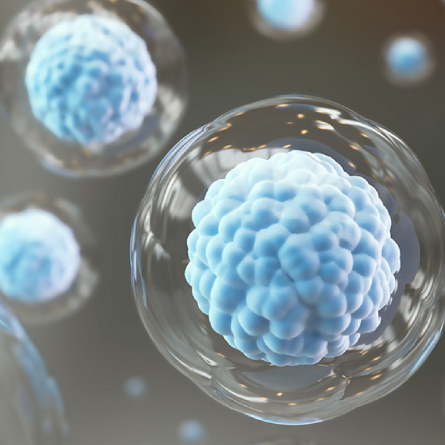
Exosome therapy is an advanced regenerative service that utilizes extracellular vesicles derived from biologic sources to support cellular communication and tissue signaling. Exosomes play a key role in how cells exchange information involved in inflammation regulation, tissue support, and repair processes.
What Are Exosomes?
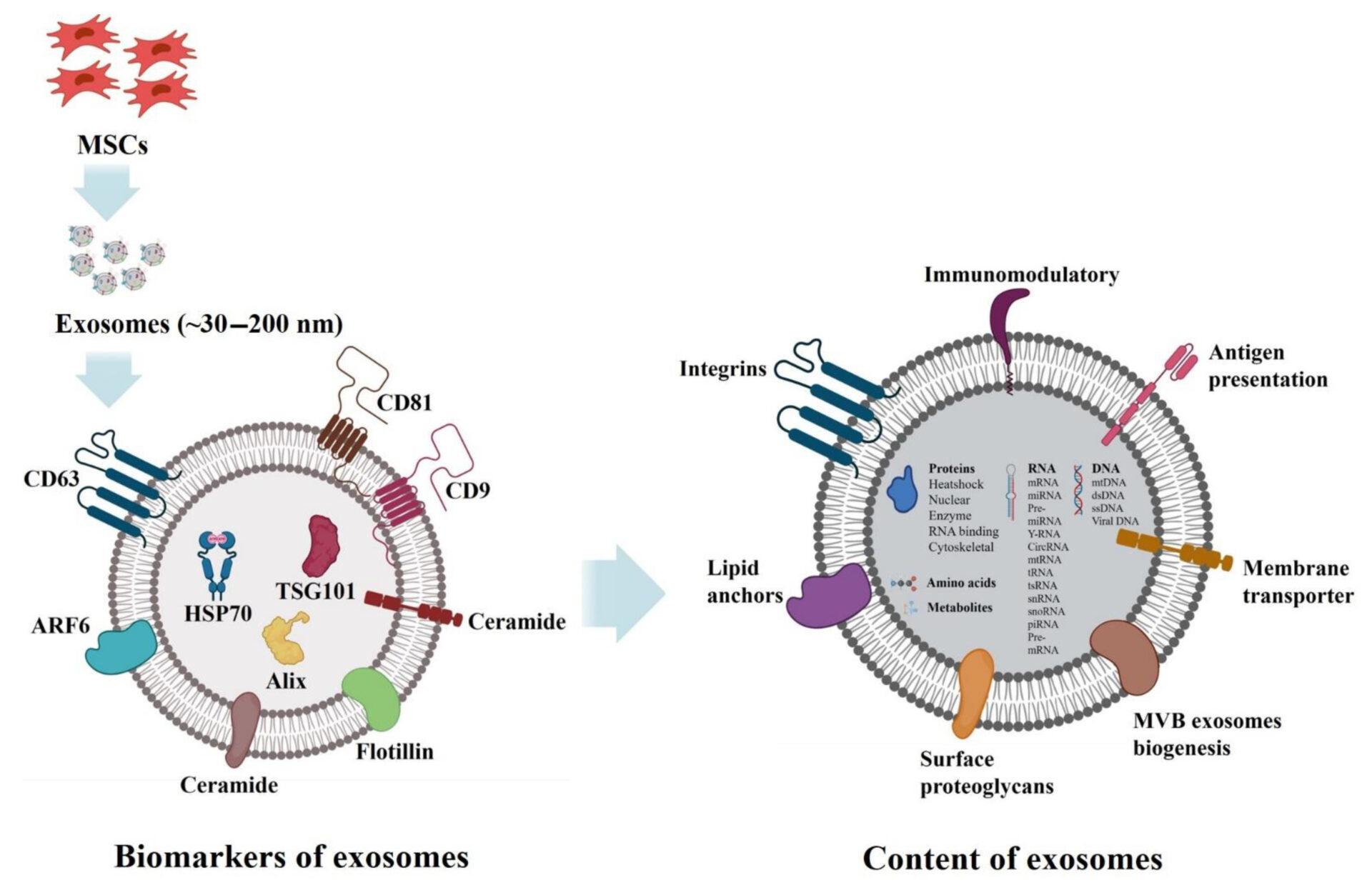
Exosomes are microscopic extracellular vesicles naturally released by cells. They contain signaling molecules such as growth factors, cytokines, lipids, and microRNAs that help regulate cellular behavior and communication. Unlike stem cells, exosomes do not replicate or differentiate; instead, they act as messengers that influence local cellular environments.
How Exosome Therapy Works
Exosome preparations used in clinical settings are processed to isolate extracellular vesicles from their source material. When administered under medical supervision, exosomes interact with target cells to support signaling pathways involved in tissue repair, immune modulation, and cellular homeostasis.
Exosomes are a key component in regenerative medicine and are often studied for their potential benefits when combined with other therapies. For readers in Long Island, New York, understanding how exosomes function and their role in regenerative and aesthetic treatments can help you stay informed about emerging medical and skincare approaches.
Common Clinical Applications
Exosome therapy is commonly incorporated into regenerative and aesthetic protocols, including:
- Skin quality and rejuvenation support
- Hair restoration programs
- Post-procedure recovery support
- Tissue and cellular signaling support
- Regenerative aesthetic treatments
Applications are determined based on clinical assessment and patient-specific goals.
Potential Benefits
- Supports cellular communication and signaling
- Non-cellular, acellular therapy
- Can complement other regenerative treatments
- Designed to support tissue quality and recovery
Important Regulatory & FDA Disclosure
Exosome products are not FDA-approved for the diagnosis, treatment, cure, or prevention of any disease. The clinical use of exosomes is considered investigational. Services are provided under physician supervision with informed consent and in accordance with current regulatory guidance.
Patient Considerations
Because exosome therapy is investigational, patients should understand that:
Treatment suitability is determined on an individual basis
Clinical research is ongoing
Outcomes may vary
Therapy is not a substitute for standard medical care
To Learn More :
Exosome Therapy – FAQs
Are exosomes the same as stem cells?
No. Exosomes are not cells. They are extracellular vesicles that act as cellular messengers, carrying signaling molecules that influence communication between cells in the body, including the face and skin. They do not replicate, divide, or become tissue.
Are exosome therapies FDA-approved?
No. Exosome products are not FDA-approved for the diagnosis, treatment, cure, or prevention of any disease. Their clinical use is considered investigational and is provided under physician supervision with informed consent.
What conditions are exosomes used for?
Exosomes are commonly incorporated into regenerative and aesthetic protocols to support cellular signaling, skin quality of the face and body, hair restoration programs, and post-procedure recovery. Individual treatment plans vary based on clinical evaluation.
How are exosomes administered?
Administration methods vary depending on the protocol and may include localized application or injection performed by a licensed medical professional.
Is exosome therapy safe?
Exosome therapy is generally well tolerated when sourced and administered appropriately. As with any medical procedure involving the face or other treatment areas, risks and benefits are reviewed during your consultation.
Universal Patient Disclosure
All regenerative therapies described are not guaranteed and are not FDA-approved to diagnose, treat, cure, or prevent disease. Individual results may vary. All treatments are provided under physician supervision following a comprehensive medical evaluation and informed consent.
Are exosomes the same as stem cells?
No. Exosomes are not cells. They are extracellular vesicles that act as cellular messengers, carrying signaling molecules that influence communication between cells in the body, including the face and skin. They do not replicate, divide, or become tissue.
What conditions are exosomes used for?
Exosomes are commonly incorporated into regenerative and aesthetic protocols to support cellular signaling, skin quality of the face and body, hair restoration programs, and post-procedure recovery. Individual treatment plans vary based on clinical evaluation.
Is exosome therapy safe?
Exosome therapy is generally well tolerated when sourced and administered appropriately. As with any medical procedure involving the face or other treatment areas, risks and benefits are reviewed during your consultation.