
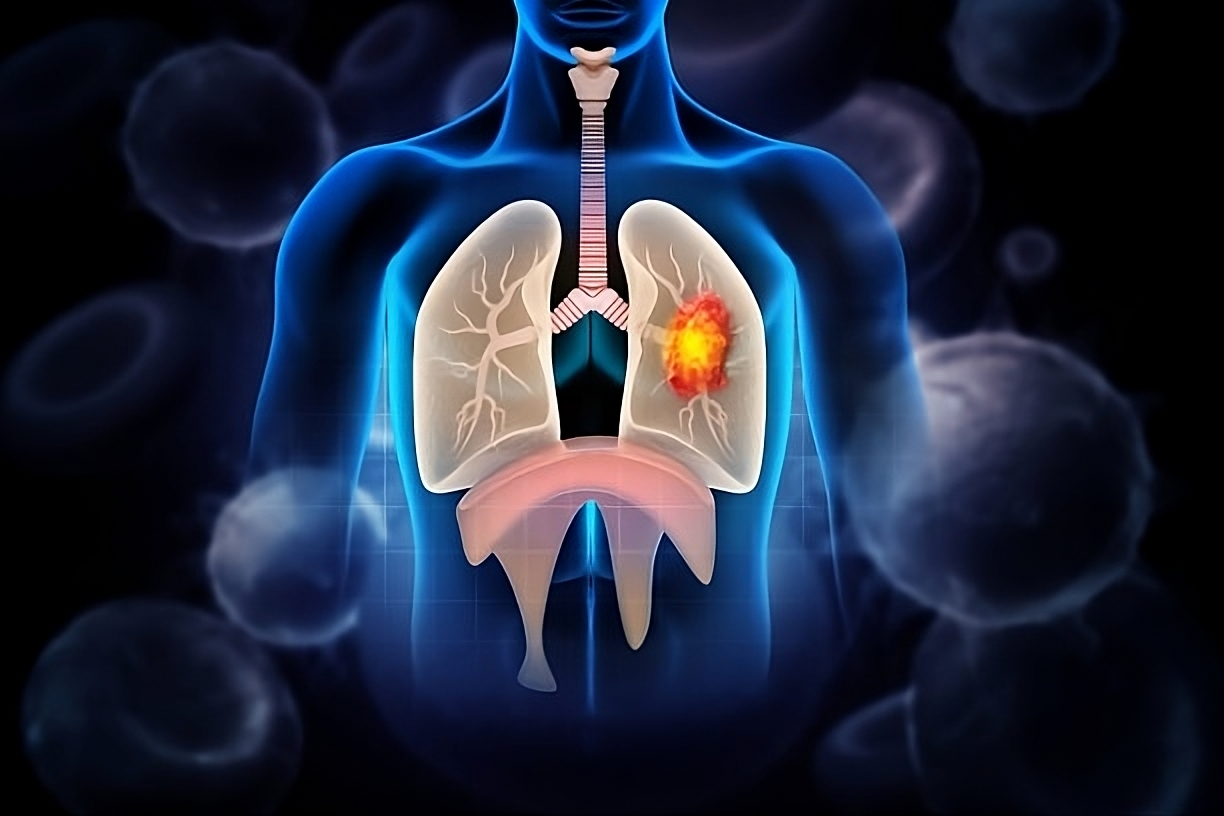
Understanding Lung Disease
Lung disease refers to a group of conditions that affect the lungs and respiratory system, impairing the body’s ability to exchange oxygen and carbon dioxide effectively. The lungs play a vital role in delivering oxygen to the bloodstream and removing carbon dioxide, a waste product produced by the body’s cells.
Healthy lung function depends on several structures working together, including the airways, alveoli (air sacs), lung tissue, and blood vessels. When these structures become inflamed, damaged, or obstructed, breathing can become difficult and oxygen delivery to the body may be compromised.
Lung diseases may develop due to chronic inflammation, environmental exposures, infections, genetic factors, or immune system dysfunction. Some conditions progress slowly over time, while others may occur suddenly or worsen rapidly.
In addition to conventional medical treatments, regenerative medicine therapies such as stem cells, exosomes, platelet-rich plasma (PRP), and platelet-rich fibrin (PRF) are being studied for their potential ability to support tissue repair, reduce inflammation, and promote regeneration of damaged lung tissue.
Types of Lung Disease
Lung diseases encompass a wide range of conditions that affect different parts of the respiratory system.
Chronic Obstructive Pulmonary Disease (COPD)
COPD is a progressive lung disease characterized by airflow limitation and difficulty breathing. It is most commonly associated with long-term exposure to cigarette smoke or environmental pollutants.
COPD includes two main conditions:
- Emphysema – damage to the alveoli (air sacs) that reduces oxygen exchange
- Chronic bronchitis – persistent inflammation and mucus production in the airways
Symptoms may include:
- Shortness of breath
- Chronic cough
- Wheezing
- Fatigue
- Increased mucus production
Pulmonary Fibrosis
Pulmonary fibrosis occurs when lung tissue becomes scarred and stiff, making it difficult for the lungs to expand and deliver oxygen effectively.
This scarring may result from:
- Chronic inflammation
- Environmental exposures
- Autoimmune diseases
- Certain medications
- Unknown causes (idiopathic pulmonary fibrosis)
Fibrotic tissue reduces lung flexibility and oxygen transfer.
Asthma
Asthma is a chronic inflammatory condition in which the airways become narrowed and hypersensitive.
Triggers may include:
- Allergens
- Exercise
- Cold air
- Air pollution
- Respiratory infections
Inflammation causes the airways to constrict, leading to symptoms such as wheezing, coughing, and shortness of breath.
Interstitial Lung Disease
Interstitial lung diseases involve inflammation and scarring within the interstitium, the tissue surrounding the alveoli.
These disorders can disrupt oxygen exchange and cause progressive breathing difficulties.
Long COVID and Post-Viral Lung Injury
Some individuals experience persistent respiratory symptoms after viral infections such as COVID-19, including:
- Shortness of breath
- Lung inflammation
- Reduced exercise tolerance
- Persistent cough
Post-viral inflammation can affect lung tissue and respiratory function for months after the initial infection.
Symptoms of Lung Disease
Symptoms vary depending on the specific condition but may include:
- Shortness of breath
- Chronic cough
- Wheezing
- Chest tightness
- Fatigue
- Difficulty exercising
- Frequent respiratory infections
- Reduced oxygen levels
As lung disease progresses, oxygen delivery to the body may become impaired, leading to systemic symptoms such as weakness and decreased stamina.
The Role of Inflammation and Tissue Damage
Many lung diseases are driven by chronic inflammation within the respiratory system.
Inflammatory immune cells release signaling molecules known as cytokines, which can damage lung tissue over time.
This process may lead to:
- Thickening of airway walls
- Excess mucus production
- Destruction of alveoli
- Fibrosis (scar tissue formation)
- Reduced oxygen exchange
Because lung tissue has limited regenerative capacity, preventing ongoing inflammation and supporting tissue repair are important goals in respiratory disease management.
Regenerative Medicine and Lung Health
Regenerative medicine focuses on supporting the body’s natural repair processes using biologically active therapies that may help promote cellular regeneration, immune modulation, and tissue repair.
Therapies such as stem cells, exosomes, PRP, and PRF are being investigated for their potential to support lung healing by improving cellular communication and reducing inflammatory signaling.
These therapies aim to help address underlying biological mechanisms involved in lung damage.
Stem Cell Therapy for Lung Disease
Stem cells are specialized cells capable of developing into various tissue types and releasing signaling molecules that support healing and regeneration.
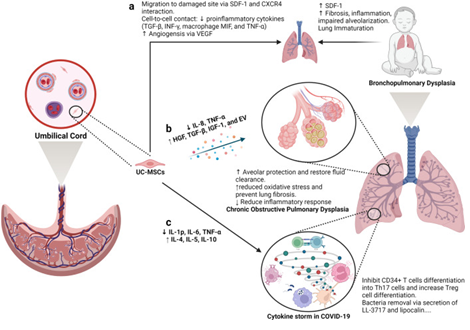
In lung disease research, mesenchymal stem cells (MSCs) are of particular interest due to their anti-inflammatory and regenerative properties.
Potential mechanisms being studied include:
- Reducing inflammation in lung tissue
- Supporting repair of damaged alveoli
- Promoting regeneration of lung cells
- Improving vascular function in the lungs
- Reducing fibrotic tissue formation
Stem cells may also release signaling molecules that support the body’s natural repair processes within damaged lung tissue.
Exosome Therapy
Exosomes are tiny extracellular vesicles released by cells that function as biological messengers between cells.
They carry proteins, lipids, and genetic material that help regulate cellular behavior and tissue repair.
In respiratory medicine research, exosomes are being studied for their potential ability to:
- Modulate inflammatory signaling in lung tissue
- Support regeneration of lung epithelial cells
- Improve cellular communication during tissue repair
- Promote blood vessel repair within the lungs
- Support mitochondrial function in stressed cells
Because exosomes deliver signaling molecules rather than living cells, they may provide regenerative signals that support lung recovery.
Platelet-Rich Plasma (PRP)
PRP is produced from a small sample of the patient’s blood that is processed to concentrate platelets and their associated growth factors.
Platelets contain biologically active molecules that regulate tissue repair and healing processes.
Growth factors found in PRP include:
- Platelet-derived growth factor (PDGF)
- Transforming growth factor beta (TGF-β)
- Vascular endothelial growth factor (VEGF)
- Insulin-like growth factor (IGF)
These molecules may help support tissue healing by:
- Promoting cellular repair signaling
- Supporting blood vessel growth
- Modulating inflammatory responses
- Improving tissue regeneration
PRP is widely used in regenerative medicine and is being studied in various areas of medical research.
Platelet-Rich Fibrin (PRF)
PRF is another blood-derived regenerative therapy that contains platelets embedded within a fibrin matrix.
This fibrin network acts as a natural scaffold that allows growth factors to be released gradually over time.
PRF contains:
- Platelets
- Leukocytes (immune cells)
- Cytokines involved in healing
- Growth factors that support tissue repair
Potential biological effects being studied include:
- Sustained release of regenerative signaling molecules
- Support for tissue healing
- Modulation of inflammatory processes
- Improved cellular communication
PRF is increasingly used in regenerative medicine procedures.
Supporting Lung Health
In addition to medical care, several lifestyle factors can help support respiratory health.
Important strategies include:
- Avoiding smoking and secondhand smoke
- Reducing exposure to air pollution and toxins
- Maintaining regular physical activity
- Supporting immune health
- Managing underlying medical conditions
- Maintaining good nutrition and hydration
Early diagnosis and comprehensive management can help slow disease progression and improve respiratory function.
Frequently Asked Questions
What is the most common lung disease?
Chronic obstructive pulmonary disease (COPD) is one of the most common chronic lung conditions worldwide.
Can lung tissue regenerate?
Lung tissue has limited regenerative capacity, but research is exploring ways to support lung repair and regeneration through advanced medical therapies.
What causes chronic lung inflammation?
Chronic inflammation may result from smoking, environmental toxins, infections, autoimmune disorders, and prolonged immune system activation.
Are regenerative therapies approved for lung disease?
Regenerative therapies are an area of ongoing scientific research, and their potential role in respiratory medicine continues to be studied in clinical trials.
How can lung disease be detected early?
Diagnostic tests such as pulmonary function tests, imaging studies, and blood oxygen measurements can help detect early changes in lung function.