
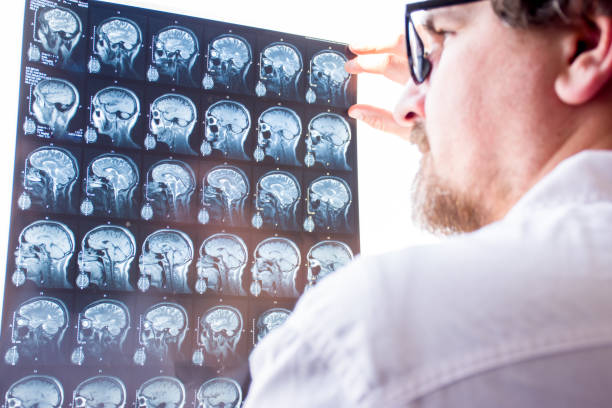
Autoimmune Neuroinflammation, Demyelination, Neurodegeneration, and Regenerative Therapeutic Science
Overview
Multiple Sclerosis (MS) is a chronic, immune-mediated disease of the central nervous system (CNS) characterized by inflammatory demyelination, axonal injury, and progressive neurodegeneration affecting the brain, spinal cord, and optic nerves. MS is not a single disease entity, but a spectrum of immune-driven neurodegenerative disorders with variable inflammatory burden, clinical course, and rates of progression.
While traditionally classified as an inflammatory demyelinating condition, MS is now recognized as a disease in which early inflammation triggers long-term neurodegeneration, even when inflammatory activity appears clinically controlled.
Core Pathophysiology
1. Loss of Immune Tolerance & Autoreactive Lymphocytes
MS begins with immune dysregulation leading to CNS-directed autoimmunity:
- Autoreactive CD4+ Th1 and Th17 cells
- Cytotoxic CD8+ T cells
- Pathogenic B-cell activation and intrathecal antibody production
- Impaired regulatory T-cell (Treg) function
These immune cells target myelin antigens, initiating CNS inflammation.

2. Blood–Brain Barrier Disruption
A defining early event in MS is breakdown of the blood–brain barrier (BBB):
- Increased vascular permeability
- Immune cell trafficking into CNS tissue
- Local cytokine amplification
BBB dysfunction allows sustained immune access to neural tissue, perpetuating inflammation.
3. Inflammatory Demyelination
Once inside the CNS, immune cells:
- Activate microglia and macrophages
- Strip myelin from axons
- Release inflammatory cytokines (TNF-α, IFN-γ, IL-17)
- Generate reactive oxygen and nitrogen species
This results in:
- Conduction block
- Neurologic deficits
- Formation of demyelinating plaques
4. Axonal Injury & Neurodegeneration
Demyelination exposes axons to metabolic stress:
- Increased energy demand
- Mitochondrial dysfunction
- Calcium dysregulation
- Progressive axonal transection
Axonal loss is the primary correlate of irreversible disability, especially in progressive MS.
5. Microglial Activation & Chronic CNS Inflammation
Even when peripheral inflammation is controlled:
- Microglia remain chronically activated
- Low-grade neuroinflammation persists
- Smoldering lesions drive slow progression
This explains why disability may worsen independent of relapses.
6. Failure of Remyelination
Oligodendrocyte progenitor cells (OPCs) are present but fail to mature due to:
- Inflammatory cytokine inhibition
- Oxidative stress
- Disrupted growth factor signaling
This leads to incomplete or failed remyelination, particularly in later disease stages.
7. Mitochondrial Dysfunction & Energetic Failure
MS lesions demonstrate:
- Impaired oxidative phosphorylation
- Reduced ATP production
- Increased oxidative damage
Neurons and axons become energy-deficient, contributing to fatigue, weakness, and neurodegeneration.
Clinical Manifestations
Symptoms vary by lesion location and disease stage:
- Visual loss (optic neuritis)
- Sensory disturbances
- Motor weakness and spasticity
- Gait and balance impairment
- Fatigue
- Cognitive dysfunction
- Bladder and bowel dysfunction
- Neuropathic pain
Disease phenotypes include:
- Relapsing-remitting MS (RRMS)
- Secondary progressive MS (SPMS)
- Primary progressive MS (PPMS)
Limitations of Conventional Management
Current therapies focus on:
- Disease-modifying therapies (DMTs)
- Immunosuppression or immune modulation
- Relapse reduction
While DMTs:
- Reduce relapse frequency
- Decrease new lesion formation
They do not:
- Reverse existing neural damage
- Fully stop neurodegeneration
- Restore myelin integrity
- Repair axonal loss
Progressive MS remains particularly difficult to treat.
Regenerative & Biologic Therapeutic Concepts
(Investigational / Adjunctive – Not FDA-approved for MS)
Immune Recalibration Strategies (Research-Stage)
Emerging approaches focus on:
- Restoring immune tolerance
- Reducing pathogenic Th17 signaling
- Enhancing regulatory immune networks
- Limiting chronic microglial activation
The goal is immune normalization, not blanket suppression.
Remyelination & Neural Repair Research
Key areas include:
- Oligodendrocyte progenitor cell maturation
- Growth factor-mediated remyelination
- Microenvironment modification to support repair
Research has shifted toward supporting endogenous repair rather than cell replacement alone.
Mesenchymal Stromal Cells & Exosome Science
MSC-based therapies and exosomes are being studied for their ability to:
- Modulate immune responses
- Reduce neuroinflammation
- Support oligodendrocyte survival
- Improve mitochondrial function
- Promote axonal protection
Observed benefits appear largely paracrine and immunomodulatory.
Platelet-Derived Biologics (PRP / PRF – Investigational)
Platelet-derived factors may theoretically:
- Support microvascular signaling
- Modulate inflammation
- Enhance tissue resilience
Their role in MS remains experimental and adjunctive, not disease-modifying.
Adjunctive Supportive Modalities
Often explored alongside medical therapy:
- Photobiomodulation (mitochondrial support)
- Hyperbaric oxygen therapy (microvascular oxygenation)
- Autonomic nervous system modulation
- Metabolic and micronutrient optimization
These approaches aim to support neurologic resilience, not replace DMTs.
Clinical Perspective
Multiple Sclerosis is increasingly recognized as:
- A combined inflammatory and neurodegenerative disease
- With early immune injury and late progressive neurodegeneration
- Requiring both immune control and neuroprotective strategies
Future care paradigms emphasize:
- Early immune intervention
- Neuroprotection
- Remyelination
- Energetic and mitochondrial support
- Regenerative signaling
Summary
- MS is driven by autoimmune CNS inflammation and demyelination
- BBB disruption allows sustained immune injury
- Axonal loss underlies permanent disability
- Conventional therapies control inflammation but not repair
- Regenerative and biologic strategies remain investigational but promising
Long-term outcomes depend on early immune control and neuroprotection